A deck can add square footage to the way a home lives without adding another room to the house. But that doesn’t mean every deck feature adds the same amount of practical or long-term value. Some upgrades look impressive in photos but don’t change how often the space gets used. Others are fairly simple and end up making a noticeable difference every time someone steps outside. For homeowners thinking about outdoor living spaces in Overland Park, that’s an important distinction.
The features worth considering are usually the ones that make a deck easier to use, easier to maintain, and better suited to the home around it. That can mean choosing durable decking, improving the layout, adding shade, or simply making sure there’s enough room to move comfortably around a table.
Start With a Deck That Fits the House
Before getting into railings, lighting, or built-in features, there’s a more basic question worth asking: Does the deck actually fit the home? Bigger isn’t automatically better. A deck that overwhelms a smaller backyard can feel just as awkward as one that’s too cramped for a dining table and chairs. Good proportions matter, and so does the connection between the house, deck, and yard.
This is one reason working with a custom deck builder in Overland Park can make a difference. A custom design can account for things that aren’t obvious on a standard deck plan, including door locations, traffic patterns, existing landscaping, afternoon sun, and how people naturally move between the house and backyard. A well-designed deck tends to look like it belongs there. That may not be the flashiest feature on the list, but it’s one of the most important.
Low-Maintenance Decking Can Have Long-Term Appeal
Wood still has plenty going for it. It’s familiar, attractive, and can be a great fit for the right home. It also requires maintenance if you want to preserve its appearance and protect it from weathering. That tradeoff matters when choosing materials.
Composite decking has become an appealing option for homeowners who would rather spend their weekends using the deck than staining or sealing it. A deck builder who specializes in outdoor living spaces in Overland Park can walk through the differences between product lines, including appearance, surface texture, maintenance expectations, warranties, and how different products behave through seasonal temperature changes. That doesn’t make composite the automatic choice. Upfront cost, appearance, and personal preference still matter. The valuable part is choosing a material that matches what you realistically want to maintain. A beautiful material isn’t much of an upgrade if you eventually resent taking care of it.
Shade Can Completely Change How a Deck Gets Used
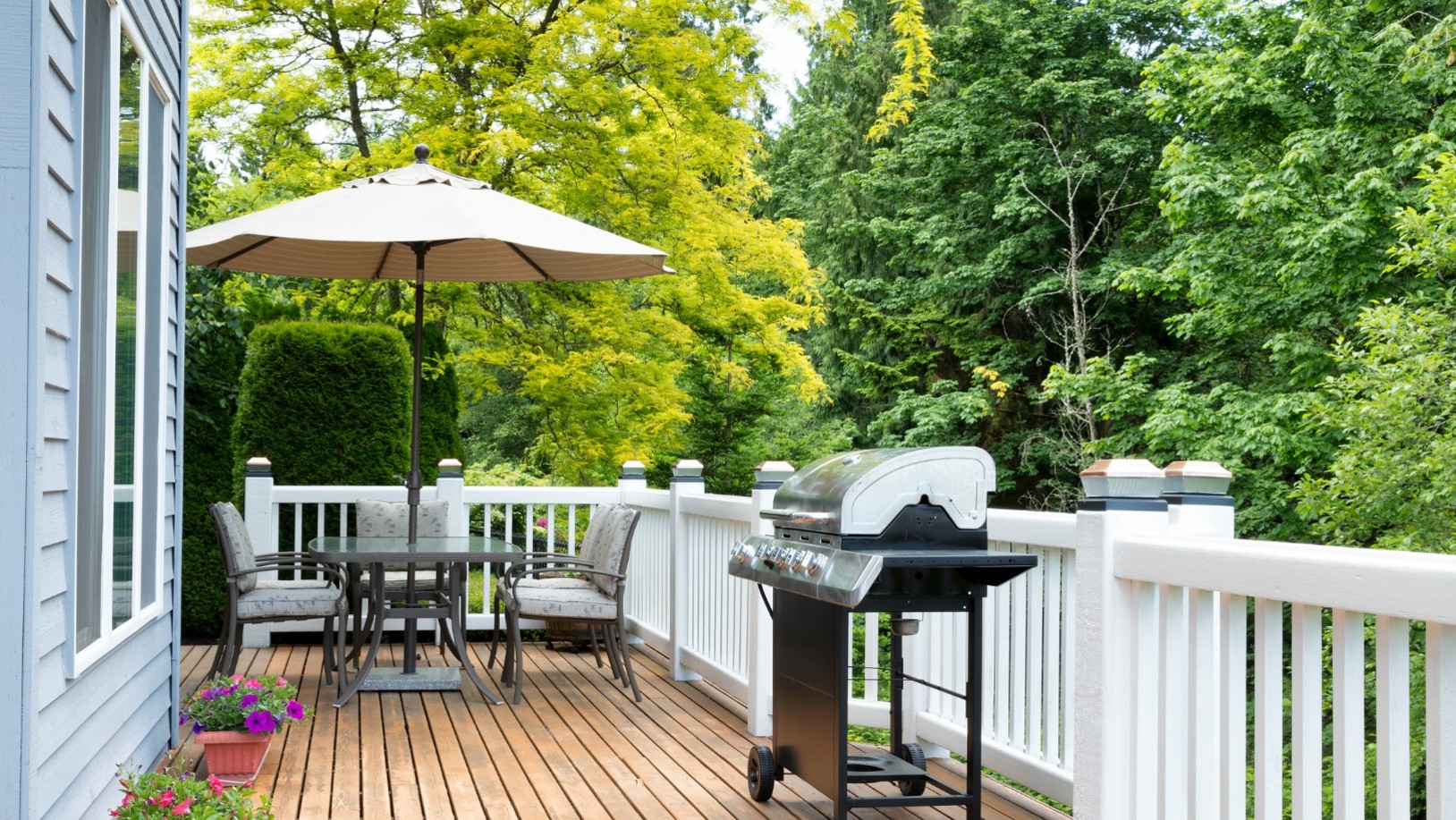
Kansas summers have a way of exposing design decisions pretty quickly. A deck might be gorgeous, but if it sits in direct afternoon sun with nowhere to escape the heat, there may be several hours each day when nobody wants to use it. That’s why shade deserves to be considered during the design stage rather than treated as an afterthought. Depending on the house and deck, that could mean a pergola, covered section, or another shade solution. Even the orientation of seating areas can make a difference.
When planning outdoor living spaces in Overland Park, it’s helpful to think beyond what the deck will look like on a pleasant spring afternoon. Consider how comfortable it will be in July, where the sun falls around dinner time, and whether you’ll still want to sit outside when conditions aren’t perfect. A feature that lets you use the deck more often has practical value every season you own the home.
Good Railings Do More Than Provide Safety
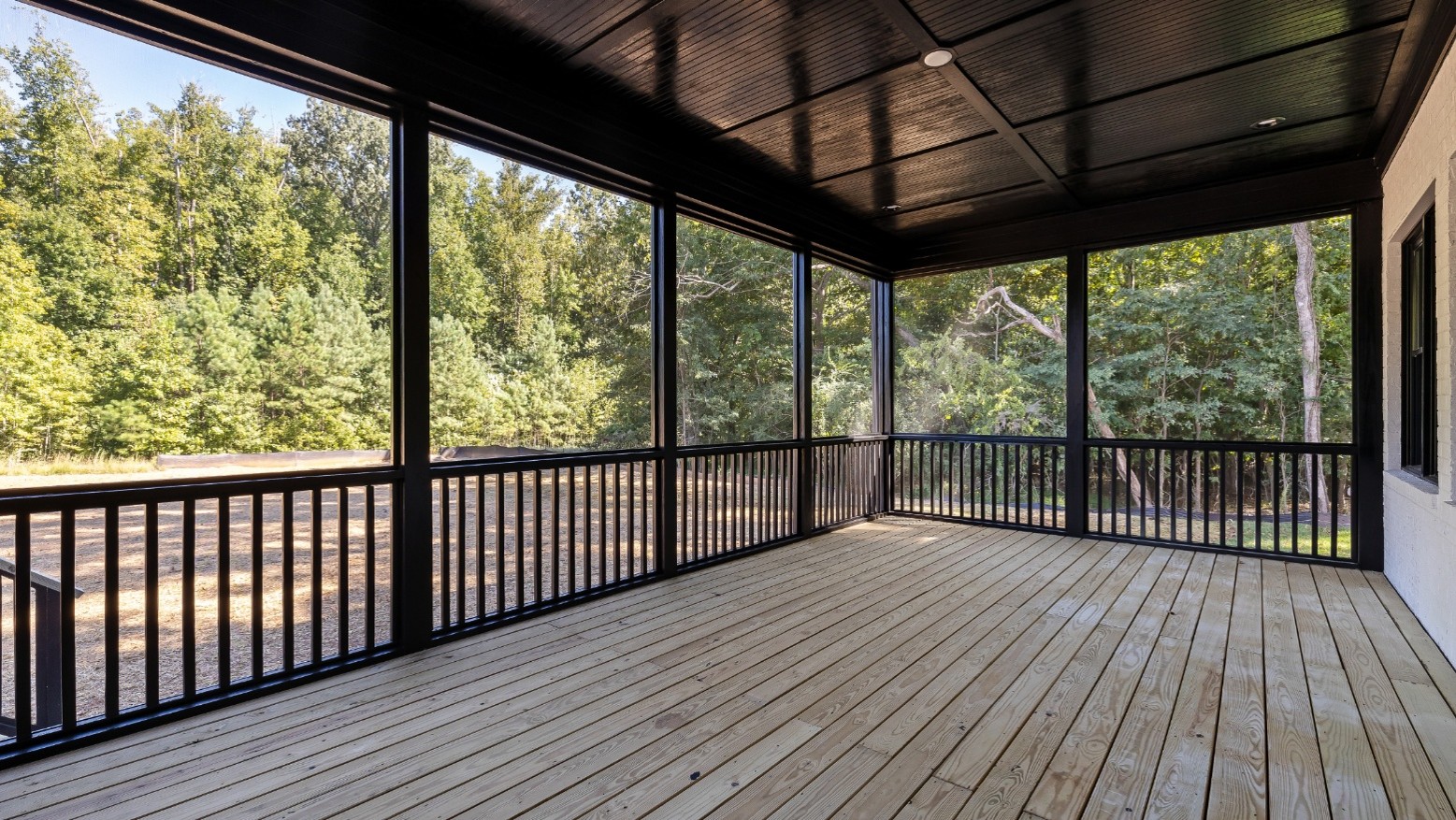
Railings are required in certain deck configurations for safety, but they’re also one of the most visible parts of the finished project. Bulky railings can interrupt the view into the yard. A more open railing system may make the deck feel larger without changing its dimensions at all. The style should also make sense with the architecture of the house rather than looking like something selected separately.
This is an area where small design choices can have an outsized effect. Post spacing, railing material, color, and sightlines all influence how the finished deck feels. Safety comes first, of course. Once those requirements are met, railing becomes an opportunity to make the entire project feel more finished.
Lighting Is a Small Detail That Extends the Day
Deck lighting is easy to overlook when most design decisions are being made during daylight hours. Then the first evening gathering happens. Good lighting can make stairs easier to navigate, illuminate walking areas, and provide enough ambient light to enjoy the deck without turning the backyard into a floodlit parking lot. Stair lights, post lights, and carefully placed fixtures can all serve a purpose.
The key is restraint. More lights aren’t necessarily better. A thoughtful lighting plan should help people move safely while keeping the atmosphere comfortable. It’s a relatively small part of the overall project, but it’s one homeowners may appreciate every evening they spend outside.
Built-In Seating Can Help, but Only When It Makes Sense
Built-in benches look like an obvious upgrade. Sometimes they are. Other times, they take up space that would have been more useful for movable furniture. This is where thinking about real day-to-day use matters. A bench along the edge of a large deck can provide extra seating without cluttering the center. On a smaller deck, the same bench might limit how furniture can be arranged later.
The same thinking applies to built-in planters, privacy screens, and similar additions. A feature shouldn’t be included simply because it’s available. It should solve a problem or make the space noticeably better to use. Flexibility has value, too.
Don’t Forget the Stairs
Stairs don’t usually get much attention during the early stages of deck planning, but homeowners use them constantly. Their location determines how naturally the deck connects with the rest of the yard. Put them in the wrong place and people may end up walking around furniture every time they head outside. Position them thoughtfully and the transition can feel almost effortless.
Width matters as well. Wider stairs can create a more open transition into the backyard, particularly on decks that sit relatively close to grade. These are exactly the kinds of decisions that should be worked out during deck design and build in Overland Park, rather than after framing has already started. Once the structure is underway, changing circulation becomes much more complicated.
The Structure Underneath Still Matters Most
Homeowners naturally pay attention to what they can see: decking, railings, stairs, and finishes. A contractor tends to look underneath first. Footings, framing, connections, flashing, hardware, and water management aren’t exciting upgrades, but they’re responsible for supporting everything above them. A beautiful surface can’t compensate for structural problems underneath.
Experienced deck contractors in Overland Park should be willing to explain how the deck will be supported, how water will be managed where the structure meets the house, and what materials are being used in areas homeowners may never see after construction. That’s not where most people want to spend their design budget, but sound construction protects every other dollar invested in the project.
Sometimes Repairing the Existing Deck Adds More Value
Adding features isn’t always the smartest first move. If an existing deck has worn boards, loose railings, aging hardware, or questionable framing, improving its condition may be more important than adding something new. The key is determining whether the problems are primarily cosmetic or whether they’ve reached the structure underneath.
A deck repair contractor in Overland Park can evaluate the existing deck before homeowners invest in upgrades. In some cases, replacing damaged boards and addressing isolated issues may give the structure considerably more useful life. In others, widespread deterioration can make replacement the more practical direction. Knowing which situation you’re dealing with should come before spending money on cosmetic improvements.
Wood Still Has a Place in a Well-Designed Backyard
Low-maintenance products get plenty of attention, but traditional wood shouldn’t be written off. There’s a warmth and character to real wood that’s difficult to duplicate, particularly around homes where natural materials already play a major role in the exterior design. Experienced wood deck builders in Overland Park can also help homeowners understand what ownership actually involves rather than treating maintenance as a vague future concern.
Wood needs care. How much depends on the material, exposure, finish, and the appearance you’re trying to maintain. For homeowners comfortable with that responsibility, it can still be an excellent choice. The better question isn’t whether wood or composite is universally better. It’s which one makes sense for the particular homeowner and house.
Build Around the Way You’ll Actually Live Outside
The most useful deck features aren’t necessarily the most expensive ones. They’re the ones that remove small frustrations and make spending time outside easier. For homeowners considering a new deck or improvements to an existing one, start with the basics: structure, layout, materials, shade, and how the deck connects to the house and yard. Then decide which additional features genuinely improve the experience. When those decisions are made thoughtfully, a deck can become much more than an attractive addition. It becomes a natural extension of the home—and a backyard space people actually want to use.

Want to talk about your project? Reach out to us online at A&H Construction or call us at (913) 449-5491.
Sometimes it’s a kitchen that just doesn’t work anymore. Sometimes it’s a bathroom you’re tired of apologizing for. Whatever the reason, we show up ready to figure it out and get it done. We help people fix what’s broken and build what’s next. We’re here to take the pressure off and help you enjoy the process, not just the end result.
You can also catch us on Facebook to see what we’ve been working on.