
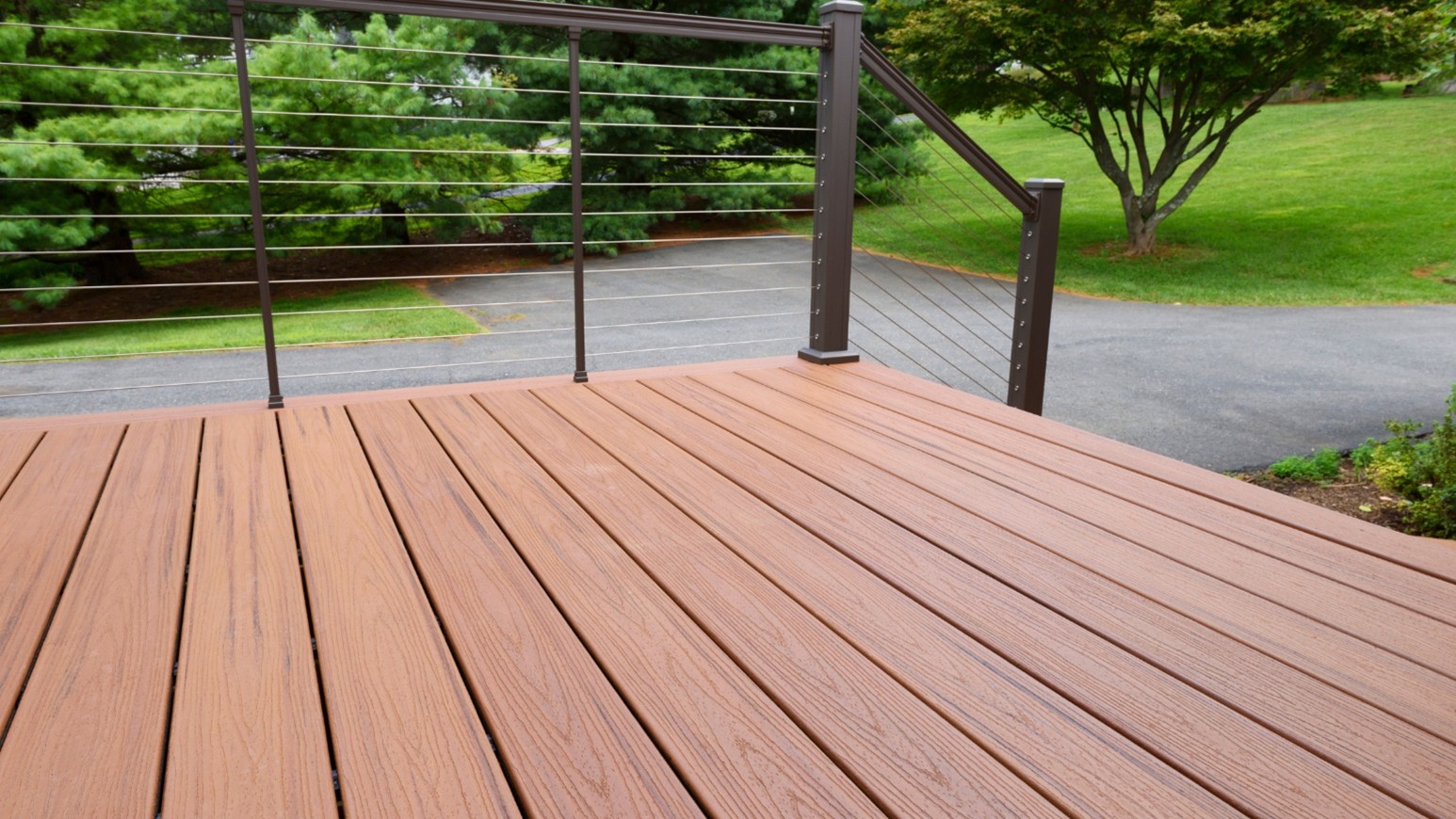
Homeowners investing in outdoor living spaces in Lenexa often ask the same thing: how long will a composite deck actually last? It’s a fair question. A deck isn’t just a weekend project. It’s something you walk across every day. The lifespan depends on materials, installation, and how well it’s built from the start.
Why Does Lifespan Matter When Planning a Deck?
A deck isn’t cheap. And replacing one too soon gets expensive fast.
We’ve worked on properties throughout Johnson County long enough to see both sides. Some composite decks still feel solid after 20 years. Others start shifting far earlier because of installation shortcuts.
When homeowners talk to a composite deck builder in Lenexa, they’re usually trying to avoid constant staining, sealing, and board replacement. Composite appeals because it promises lower maintenance. But durability doesn’t happen automatically. Structure matters just as much as surface material.
That’s especially true when designing long-term outdoor living spaces that are meant to hold up through heat, humidity, snow, and everything in between.
What Is the Real Lifespan of a Composite Deck?
Most modern composite decking products are designed to last 20 to 30 years — sometimes longer. But those numbers assume proper installation and structural framing.
Composite boards resist rot and insect damage better than traditional lumber. They don’t splinter. They don’t need yearly staining. That’s why many homeowners choose to work with a qualified composite deck builder instead of going the wood route.
That said, composite boards still expand and contract with temperature swings. Kansas weather can be tough. Without correct spacing and fastening systems, boards can shift or stress over time.
A deck’s lifespan is tied directly to how it was built — not just what it’s made from.
How We Build for Long-Term Performance
As a seasoned deck builder, we focus heavily on structure before surface.
We start with soil conditions and slope. Proper footings prevent settling. Framing is spaced correctly to support composite boards without sagging. Airflow beneath the deck is considered carefully to reduce trapped moisture.
When we approach a full deck design and build, we don’t treat composite like a shortcut. We treat it like a system. Fastening methods, joist spacing, and drainage planning all work together.
We’ve also been called in by homeowners who previously hired other deck contractors and later needed adjustments because the framing wasn’t done correctly. In many of those cases, the boards were fine — the structure underneath was not.
Installation quality is what protects the material’s lifespan.
Benefits of Composite for Outdoor Living Spaces
Choosing composite for your outdoor living spaces offers several long-term advantages:
- Reduced maintenance compared to traditional lumber
- Greater resistance to rot and moisture damage
- More consistent color retention
- Fewer splinters or surface cracks
- Longer overall structural lifespan when installed properly
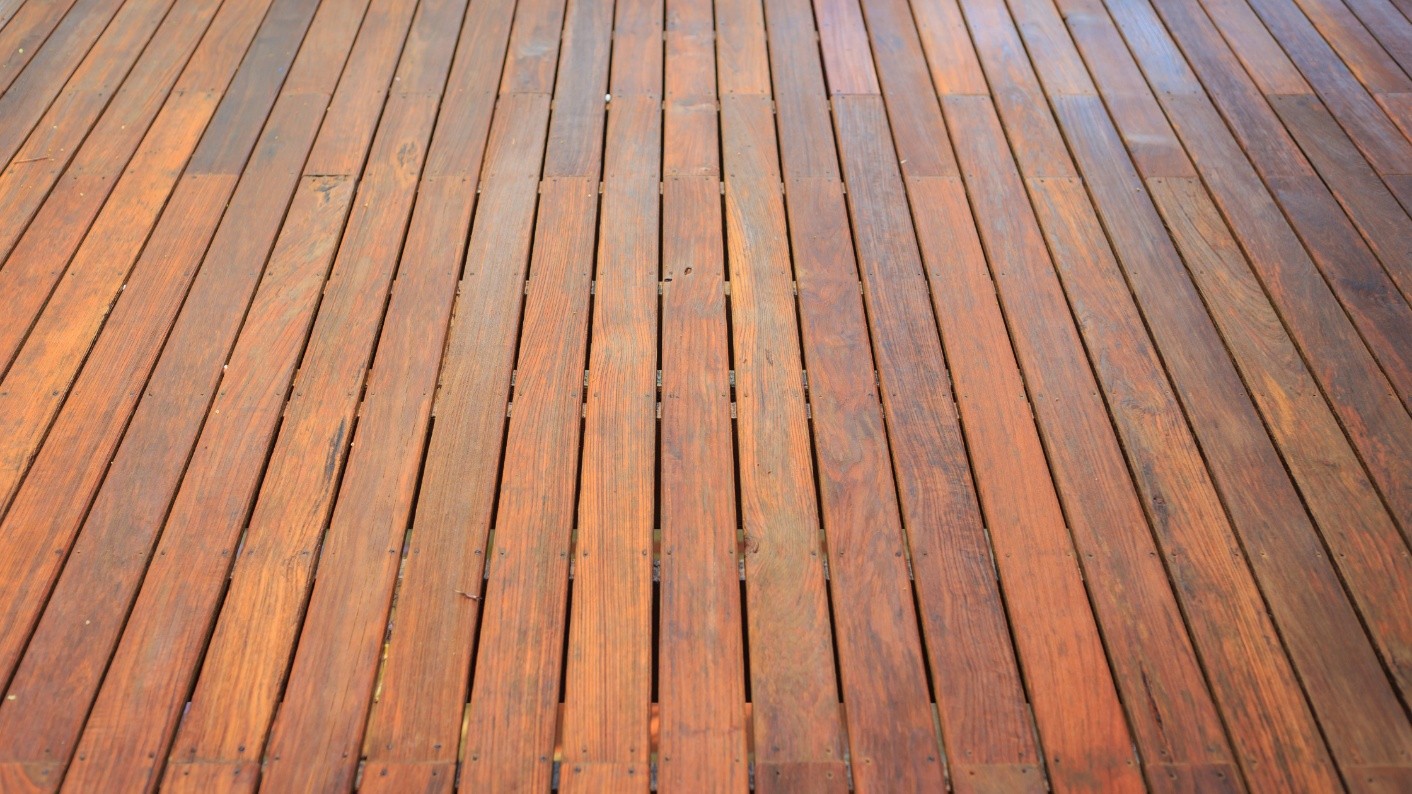
Some homeowners still prefer natural wood. Skilled wood deck builders can create beautiful traditional spaces. But wood requires ongoing upkeep. Composite reduces that workload significantly.
It comes down to how much time you want to spend maintaining your deck year after year.
What We See Across Lenexa Homes
Most of our composite projects involve homeowners replacing aging wood decks. They’re tired of sanding and sealing. They want something that holds up better long term.
We’ve also seen cases where composite boards were installed over weak framing. A few years later, movement started to show. Not because composite failed — but because structural planning did.
Designing durable outdoor living spaces means thinking beyond the boards you see. It means building a strong foundation underneath.
When structure and material align, composite can last decades.
Why Homeowners Trust Our Team
We’ve been building decks in this area long enough to understand how local climate affects materials. We follow local code requirements carefully. We carry proper insurance. We build with long-term performance in mind instead of rushing through installation.
Homeowners often tell us they appreciate having lifespan expectations explained honestly. Not inflated. Not minimized. Just realistic. That kind of transparency matters when investing in outdoor living spaces.
Common Questions About Composite Deck Lifespan
Does composite really last 25 to 30 years?
In many cases, yes — when installed correctly. Framing, spacing, and drainage all affect long-term performance.
Will composite fade over time?
Some light fading can occur, especially in the first few years. Higher-quality materials tend to retain color more consistently.
Is composite completely maintenance-free?
Not entirely. It still requires periodic cleaning. But it eliminates the staining and sealing required with wood.
Ready to Plan a Deck That Lasts?
If you’re planning outdoor living spaces, understanding lifespan upfront helps you make a smarter investment. We’re here to walk through materials, structure, and design so your deck feels solid not just this season — but many years from now. Reach out when you’re ready to talk through your project.
Want to talk about your project? Reach out to us online at A&H Construction or call us at (913) 449-5491.
Sometimes it’s a kitchen that just doesn’t work anymore. Sometimes it’s a bathroom you’re tired of apologizing for. Whatever the reason, we show up ready to figure it out and get it done.

We help people fix what’s broken and build what’s next. We’re here to take the pressure off and help you enjoy the process, not just the end result.
You can also catch us on Facebook to see what we’ve been working on.